
Trauma and EMDR
You Do Not Have to Tell the Whole Story
One of the biggest worries people have about therapy is that they will be expected to tell everything, right away, in detail. That expectation keeps a lot of people from reaching out at all. With Bart Plaskoff, LCSW, you decide what to share and when, and healing does not depend on a full retelling.
Request a Consultation
Your Pace Sets the Pace
Trust takes time, and therapy should respect that. In early sessions, you might talk mostly about daily life, current stress, or what you hope will change. You can mention that something hard happened without describing it. You can say you are not ready to go there yet, and that answer will be accepted without pressure. Some people share a lot early because it feels like relief. Others share in small pieces over months. Neither way is better. What matters is that you feel in control of your own story, especially if past experiences took that control away.
Healing Without Every Detail
It is a common belief that you have to say every painful detail out loud before anything can improve. For many people, that is simply not true. Approaches like EMDR and Brainspotting, which Bart is trained in, can work with a memory while you share very little about it. You might describe it in a single sentence or just a word. The focus is on how it feels now and how your body responds, rather than on a full account. This can be a relief for people who find talking about certain events nearly impossible.
When Words Are Hard to Find
Sometimes the problem is not unwillingness but a lack of words. Memories can be fragmented, blurry, or tied more to sensations than to a clear storyline. You might know something felt wrong without being able to explain why. That is all right. Therapy can start with what you do notice, a tight throat, a heavy feeling, an urge to leave the room. Those signals carry information too. Over time, words sometimes come, and sometimes they do not need to. If you are in immediate danger or crisis, call 911 or call or text 988.
A First Conversation With No Pressure
The free 15-minute phone consultation is a good example of how this works in practice. You do not need to explain your history on the call. You can simply say what you are struggling with in general terms and ask how Bart works, what sessions are like, and what to expect. Therapy is online for adults located in Florida and is private pay at $150 per 50-minute session. Reach out through the contact form, by phone, or by email, and share only what feels comfortable at the start. You can always say more later, once you have a sense of how things feel.
Questions You May Have
Will Bart ask me a lot of personal questions in the first session?
There will be some questions to understand what brings you in and how you are doing, but you can skip anything you do not want to answer yet. You can always come back to it later, or not at all.
What if I share something and then regret it?
That feeling is common and worth talking about openly. You can say so in the next session, and Bart will help you slow down. Sharing something once does not commit you to going further, and you remain in charge of what happens next.
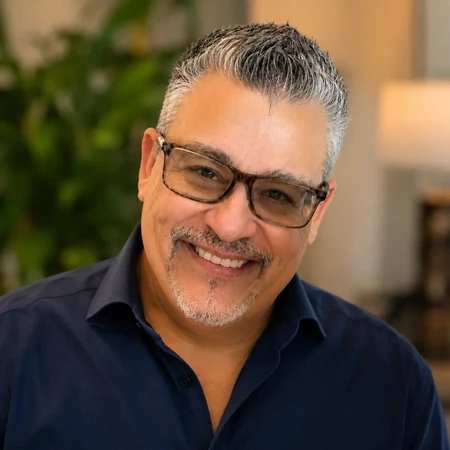
Bart Plaskoff
A conversation is a place to start.
Request a free 15-minute consultation to discuss fit and practical questions.
View the Contact Page